01 · Solvents
The residual solvents that peptide synthesis actually leaves behind
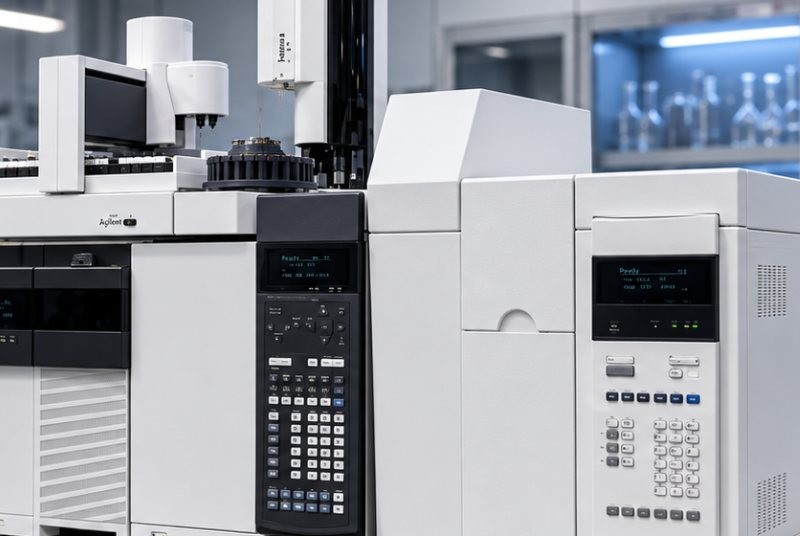
Panels adapted from other industries screen for hydrocarbon gases that have no role in solid-phase peptide synthesis, and leave out the solvents that do. Our peptide-relevant panel covers the USP <467> Class 1 and Class 2 analytes that can plausibly be present, and adds the ones that dominate peptide manufacture and purification.
DMF is a Class 2 solvent, a reproductive toxicant, and the residual most likely to be present in an Fmoc-synthesised peptide. If your current panel does not include it, it is not testing your process.
02 · Elements
A five-element screen does not meet ICH Q3D for injection
For a parenteral product, ICH Q3D requires Class 1 and Class 2A as a minimum. Our standard panel covers all seven by ICP-MS, USP <233>.
Nickel is the one most often missing and the one worth having — a plausible leachable from stainless-steel process contact, with a low parenteral limit and a known sensitisation risk. Class 3 elements are available on request.
03 · Identity
Identity confirmed by mass
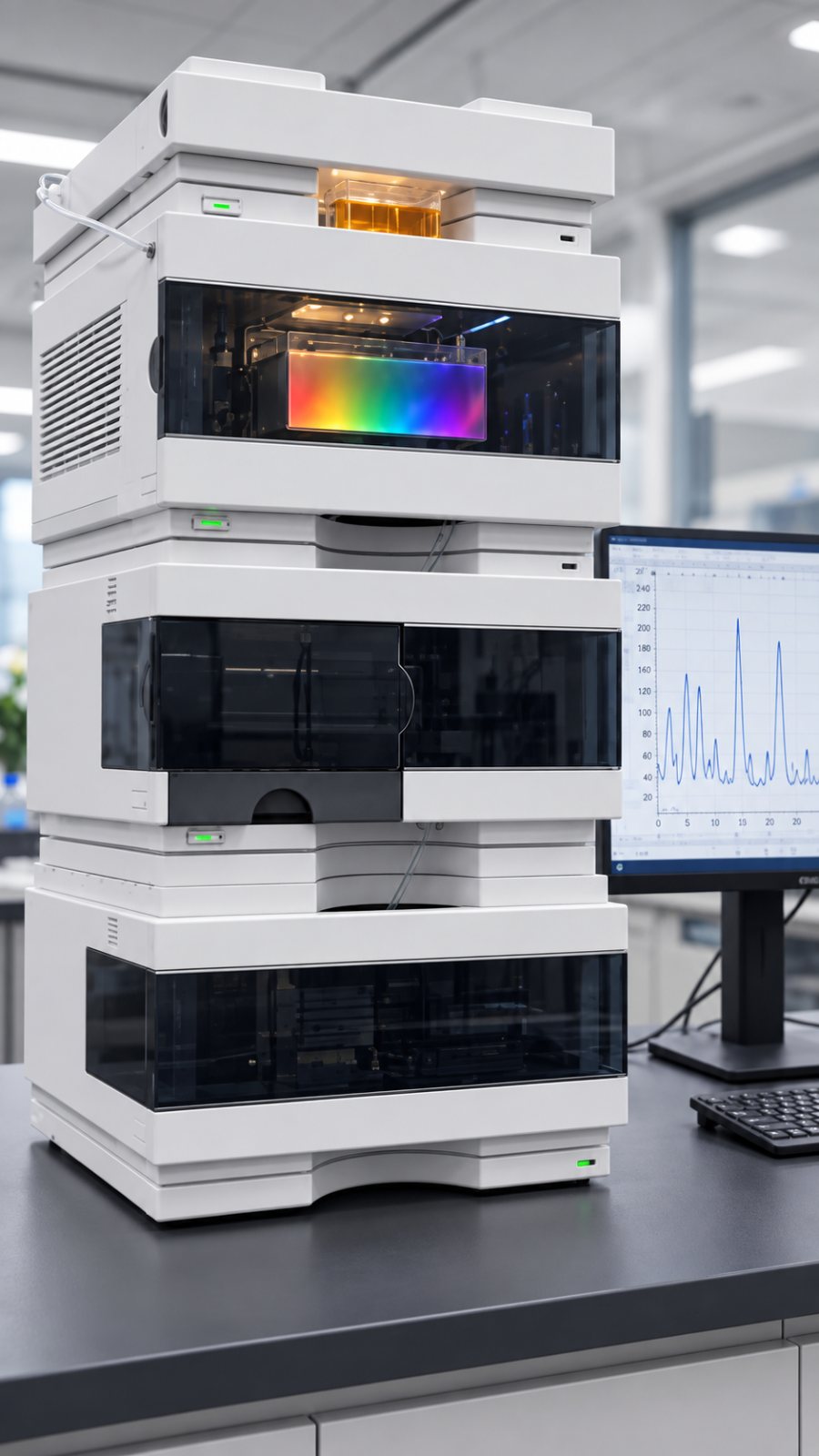
A retention time tells you a peak elutes where your standard elutes. It does not distinguish your peptide from a deletion or substitution analogue that co-elutes with it, and in solid-phase synthesis the most common impurities are the ones that look most like the product.
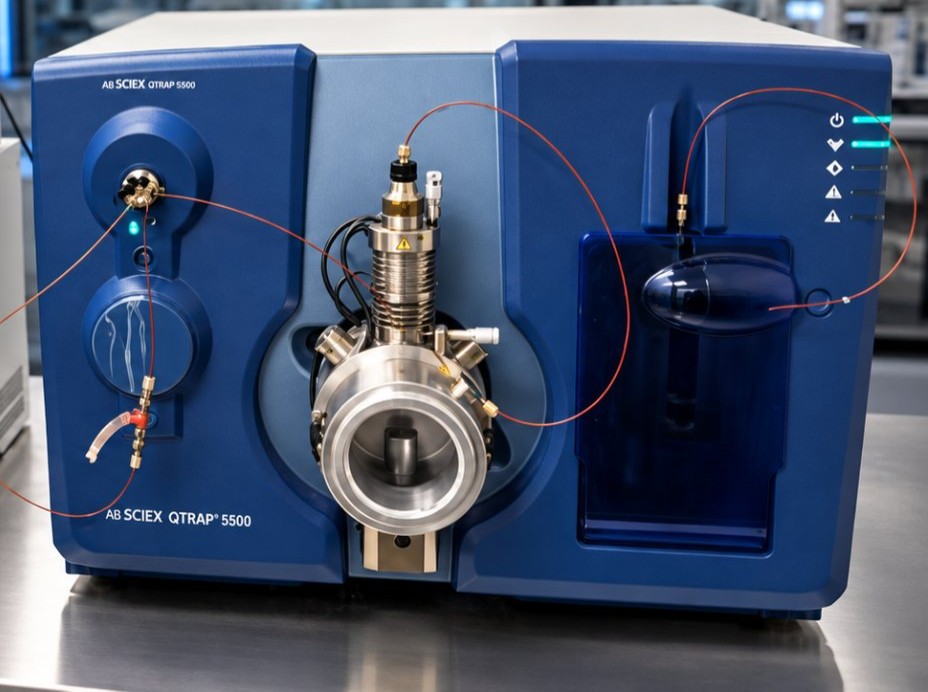
We confirm identity by LC-MS against the theoretical mass of your sequence and report both values on the certificate, so the identity claim is evidenced rather than asserted.