Research-use-only companies · 503A pharmaciesIdentity confirmed by massIndividual tests available on their own
We test peptide injectable products and issue a certificate of analysis against your specification.
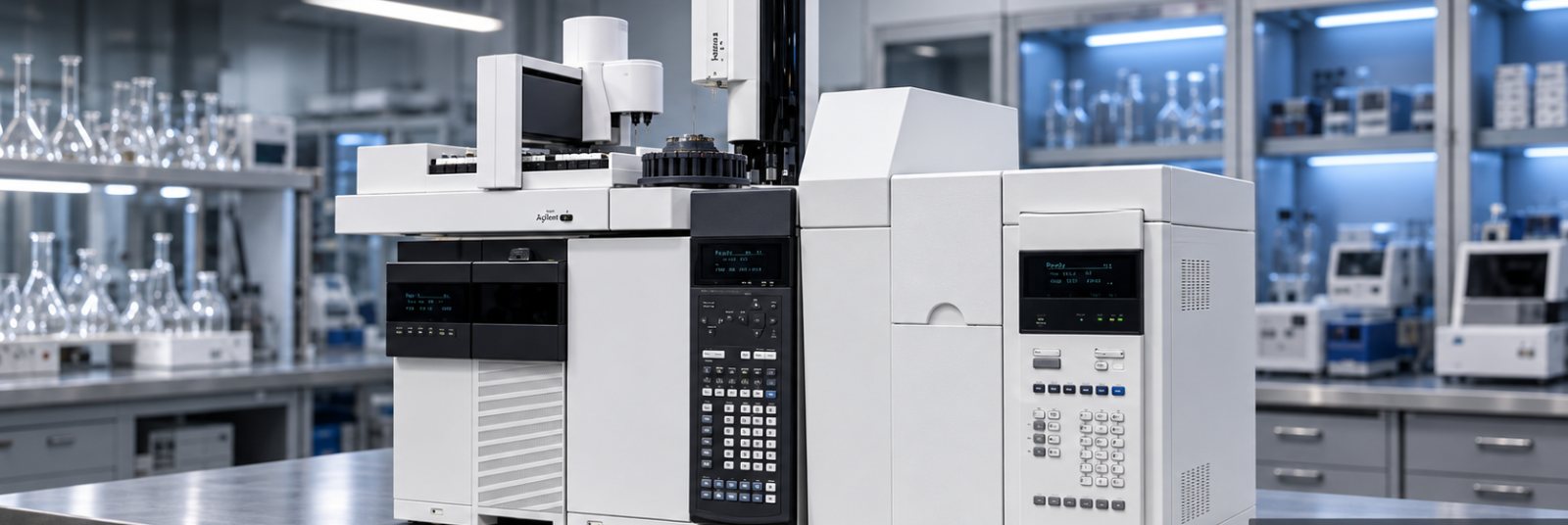
The panels are built around what a peptide actually needs: the solvents your synthesis really uses, the elements a parenteral really has to clear, and identity confirmed by mass rather than by retention time alone.
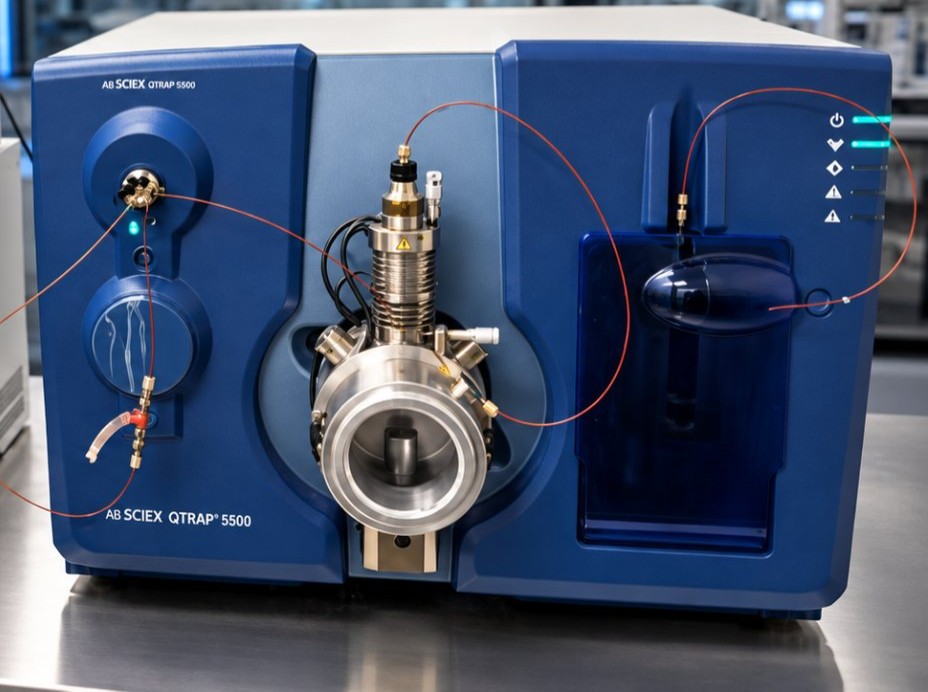
LC-MS · Identity by mass
What we test
Three packages, one certificate
Every package is priced per lot and issued as a certificate of analysis against your specification. Tell us your product and batch size and we will scope it.
01 · Package
Verify
Identity and quality screening for research-grade material
Appearance and cake examination
Identity by HPLC-UV against reference standard
Chromatographic purity, chromatogram issued
Assay and content per active, reported as mg per vial
Panels built for peptide synthesis, not adapted from somewhere else
A testing panel is only as good as its analyte list. Three places where a general-purpose panel falls short of what a peptide injectable needs.
01 · Residual solventsUSP <467>
02 · Elemental impuritiesICH Q3D · USP <233>
03 · IdentityLC-MS
01 · Solvents
The residual solvents that peptide synthesis actually leaves behind
Panels adapted from other industries screen for hydrocarbon gases that have no role in solid-phase peptide synthesis, and leave out the solvents that do. Our peptide-relevant panel covers the USP <467> Class 1 and Class 2 analytes that can plausibly be present, and adds the ones that dominate peptide manufacture and purification.
DMF is a Class 2 solvent, a reproductive toxicant, and the residual most likely to be present in an Fmoc-synthesised peptide. If your current panel does not include it, it is not testing your process.
02 · Elements
A five-element screen does not meet ICH Q3D for injection
For a parenteral product, ICH Q3D requires Class 1 and Class 2A as a minimum. Our standard panel covers all seven by ICP-MS, USP <233>.
Nickel is the one most often missing and the one worth having — a plausible leachable from stainless-steel process contact, with a low parenteral limit and a known sensitisation risk. Class 3 elements are available on request.
03 · Identity
Identity confirmed by mass
A retention time tells you a peak elutes where your standard elutes. It does not distinguish your peptide from a deletion or substitution analogue that co-elutes with it, and in solid-phase synthesis the most common impurities are the ones that look most like the product.
We confirm identity by LC-MS against the theoretical mass of your sequence and report both values on the certificate, so the identity claim is evidenced rather than asserted.
The panels in detail
Real HTML tables, so the chapter numbers and limits stay searchable.
Testing process attributes on every lot is redundant, not rigorous
Residual solvents and elemental impurities are determined by your synthesis route, solvents, equipment and starting-material supplier. None of those change from lot to lot. The standard pharmaceutical approach, consistent with ICH Q6A reduced-testing principles, is to qualify the process and then verify periodically.
Qualify: first three consecutive lotsEvery lot: full release panelVerify: one lot in ten
Schematic · every lot still receives the full release panel
Qualify, verify, revert
Step
What happens
Qualify
Full peptide-relevant solvent panel, TFA and ICH Q3D elemental panel on the first three consecutive lots of a given active, source and process
Verify
Thereafter one lot in ten, and on any change of route, solvent, supplier or equipment
Revert
Any out-of-trend result returns that product to every-lot testing until three consecutive lots pass
Scroll sideways to see the full table →
Every lot still receives the full release panel. What changes is how often the process-related tests repeat — a stronger analytical package at a lower cost per lot. Available to clients running more than ten lots a month.
Working with us
How to submit
01
Request a quote
Tell us your product, batch size and what you need tested. We send a submission form and a quotation.
02
Ship the samples
Send vials in original sealed containers, marked with lot number, product name, label strength and storage condition. Cold chain ships with a temperature monitor.
03
Receive your certificate
Results are reported against your specification, or against ours if you do not have one, and the certificate states the basis.
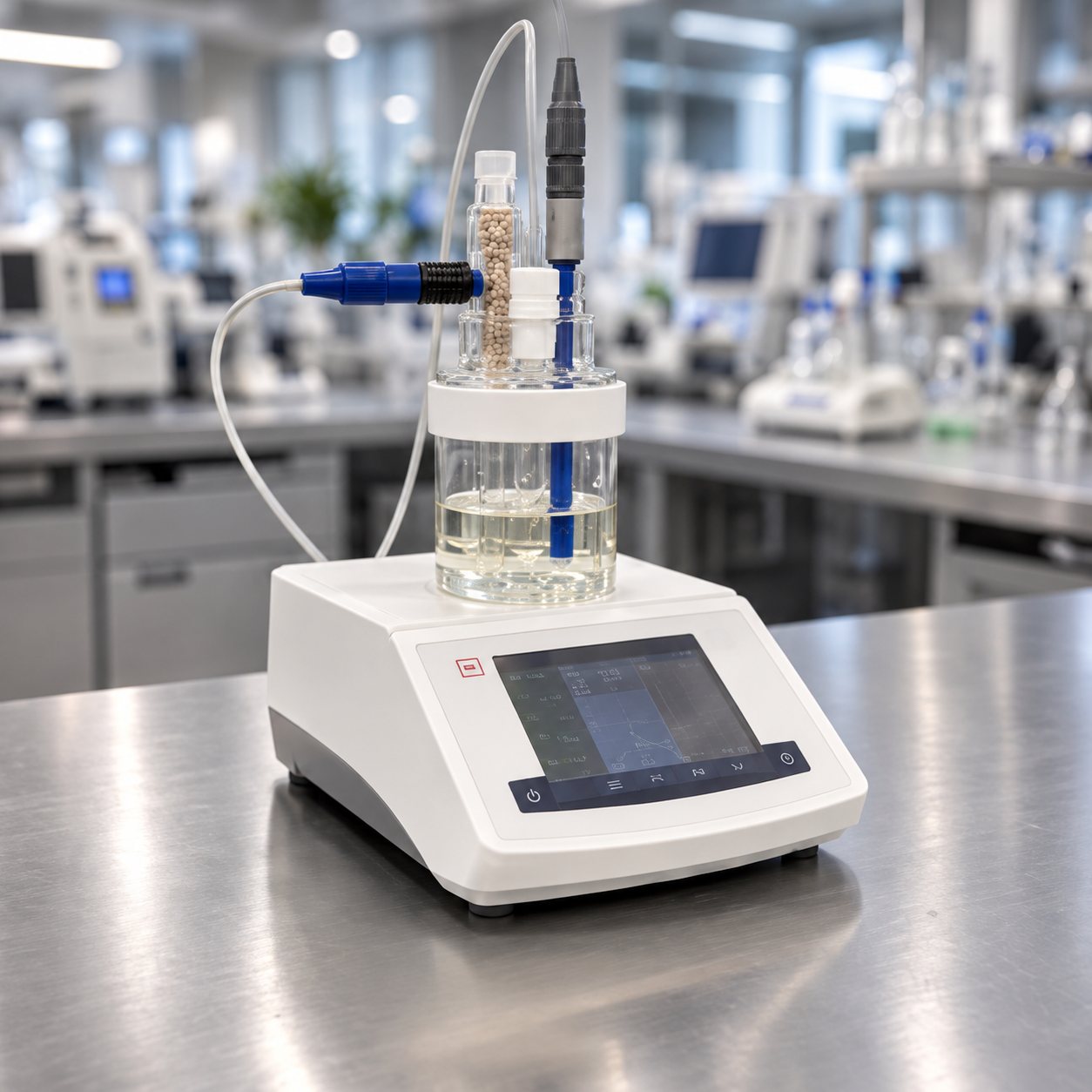
Karl Fischer · Water content, USP <921>
Sample requirements
Vial counts depend on the package and on your batch size. The USP <71> sterility sample plan is what drives the count: the compendial method sets the number of containers against batch size, and method suitability consumes further units. Smaller batches need proportionally fewer vials. Tell us your batch size and we will scale the plan to it.
Reference standards
Where the active has no compendial or commercial reference standard, supply a characterised standard with its certificate. Content is reported against it, and the certificate states the basis.
01What tests go on a peptide certificate of analysis?
A release certificate for a peptide injectable typically covers appearance, identity, chromatographic purity with the chromatogram, assay and content per active, solubility, water content, pH, visible particulates, bacterial endotoxins and sterility. Process-related tests — residual solvents, trifluoroacetic acid and elemental impurities — are usually run on a qualification and periodic-verification basis rather than on every lot.
02Which residual solvents matter for peptides?
The ones solid-phase peptide synthesis actually uses: DMF, NMP, acetonitrile, diethyl ether or MTBE, dimethyl sulfoxide, piperidine and trifluoroacetic acid. DMF matters most — it is a USP <467> Class 2 solvent limited to 880 ppm and the residual most likely to be present in an Fmoc-synthesised peptide. Panels adapted from other industries often screen for hydrocarbon gases instead and miss it entirely.
03Does a four- or five-element heavy metals screen meet ICH Q3D?
Not for a parenteral product. ICH Q3D requires Class 1 — cadmium, lead, arsenic and mercury — plus Class 2A — cobalt, vanadium and nickel — as a minimum. A four- or five-element screen leaves out nickel, which is a plausible leachable from stainless-steel process contact and carries a low parenteral limit.
04How is peptide identity confirmed?
Retention-time correspondence against a reference standard establishes that a peak elutes where it should. Confirming identity by mass, using LC-MS against the theoretical mass of the sequence, distinguishes the product from deletion and substitution analogues that co-elute with it. We report both.
05How many vials do you need?
It depends on the package and on your batch size. Sterility testing to USP <71> drives the count, because the compendial method sets the number of containers against batch size. Packages without a sterility test need far fewer. Tell us your batch size and we will scale the plan.
06Do you test research-use-only material?
Yes. We test peptide injectable products for research-use-only companies and for 503A compounding pharmacies.
07What if my peptide has no reference standard?
Supply a characterised standard with its certificate. Content is reported against it and the certificate states the basis.
08Where are you located?
San Diego, California. For most West Coast and Southwest clients that is one day of ground transit each way.
Request a quote
Tell us what you are making and what you need on the certificate.